How Dual Shot Injection Molding is Revolutionizing Overmolding Processes
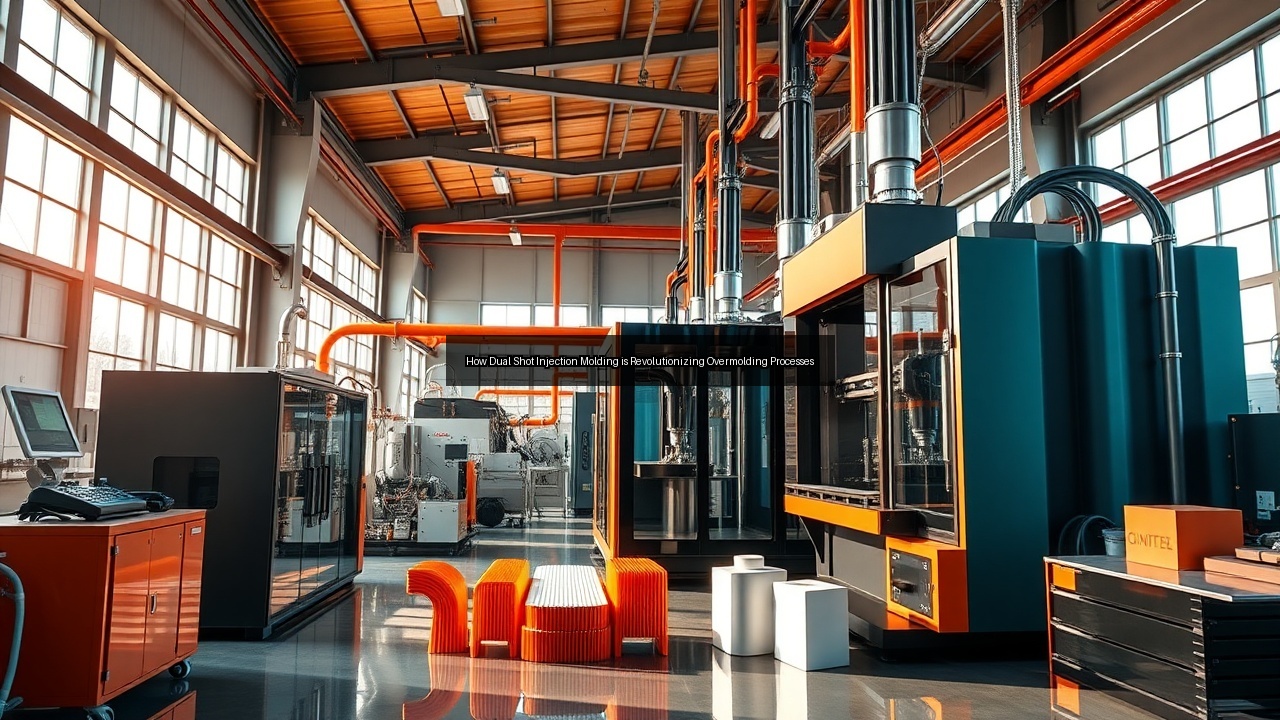
Understanding Dual Shot Injection Molding
The Basics of Dual Injection Techniques
Dual shot injection molding, often referred to as dual injection or two-shot molding, combines two different materials into a single, cohesive product in one production cycle. This innovative technique enhances the manufacturing process by allowing the integration of multiple types of plastics or thermoplastics into a single part. The process begins with the injection of the first material, followed by a second injection of a different material, which bonds to the initial layer. This method not only improves product functionality but also reduces assembly time and costs associated with traditional manufacturing techniques.
In comparison to single-material injection molding, dual shot injection molding offers significant advantages. Manufacturers can achieve complex designs, incorporate varying material properties such as flexibility and rigidity, and enhance aesthetic appeal by using different colors or textures. This technique dual shot molding technique plays a crucial role in overmolding, where softer materials, like rubber or elastomers, are overlaid on harder substrates to create products that are comfortable to hold or use. Overall, understanding the dual shot injection molding process allows companies to push the boundaries of design and functionality in today's highly competitive market.
Comparative Analysis: Dual Shot vs. Traditional Injection Molding
Traditional injection molding involves injecting a single type of plastic into a mold, creating a simple, uniform part. In contrast, dual shot injection molding revolutionizes this process by allowing for the creation of multi-material products. This capability results in enhanced performance characteristics that traditional methods cannot offer. For instance, dual shot molding enables the combination of rigid and soft materials into one component, which can improve grip, reduce wear, and enhance user comfort.
Another significant difference lies in the efficiency of production. Traditional methods often require multiple steps, including separate injection cycles and subsequent assembly processes, which can increase production time and costs. Dual shot injection molding simplifies this by completing the entire process in one cycle. The reduction in steps minimizes labor costs and operational downtime, making it an attractive option for manufacturers looking to optimize their processes.
Moreover, the precision of dual shot techniques allows for tighter tolerances and better fit between materials. This precision is vital in industries such as automotive and consumer electronics, where the performance and safety of components depend on the integrity of the bond between different materials. Ultimately, the shift towards dual shot injection molding signifies a move towards more innovative, efficient, and effective manufacturing solutions.
The Role of Thermoplastics in Dual Shot Processes
Thermoplastics play a pivotal role in dual shot injection molding. These materials become pliable upon heating and solidify when cooled, making them ideal for the injection molding process. Their versatility allows manufacturers to use a variety of thermoplastics in dual shot techniques to achieve desired properties in their final products. For instance, combining a flexible thermoplastic elastomer with a rigid plastic can result in components that are both durable and comfortable to handle.
This combination of materials not only enhances product functionality but also allows for innovative designs that were previously unachievable with traditional single-material molding processes. Additionally, the ability to select from a wide range of thermoplastics enables companies to tailor their products to specific industry requirements, including chemical resistance, UV stability, and high-temperature performance. The adaptability of thermoplastics further supports the growing demand for customized solutions across various sectors, from automotive to consumer products.
Furthermore, the environmental impact of thermoplastics is an essential consideration. Many manufacturers are now focusing on sustainable thermoplastic materials that reduce the ecological footprint of production. As the industry shifts towards more responsible practices, dual shot injection molding stands out as a forward-thinking approach that aligns with sustainability goals while delivering high-quality products.
Applications and Innovations in Overmolding
Integrating 3D Printing with Dual Shot Injection Molding
The integration of 3D printing technology with dual shot injection molding marks a significant advancement in manufacturing. 3D printing allows for rapid prototyping and production of complex designs that can be difficult to achieve with traditional methods. When combined with dual shot techniques, manufacturers can create intricate parts with unique geometries that incorporate multiple materials seamlessly. This synergy enhances design freedom and enables the production of customized components tailored to specific applications.
For example, industries such as healthcare benefit immensely from this integration. Custom medical devices that require specific shapes and material properties can be produced efficiently through this combined approach. Additionally, the rapid iteration capabilities of 3D printing allow for quicker adjustments to designs based on user feedback or regulatory requirements. This flexibility not only speeds up the development process but also reduces costs associated with retooling and re-manufacturing.
Moreover, using 3D printing to produce molds for dual shot injection molding can significantly decrease lead times. Manufacturers can rapidly produce molds tailored to their specific needs, allowing for quicker production cycles. This approach enhances innovation, as companies can experiment with new designs and materials without the lengthy process of traditional mold creation. Overall, the fusion of 3D printing and dual shot injection molding represents a powerful tool for manufacturers looking to stay ahead in a rapidly evolving marketplace.
How Aluminum Components Enhance Overmolding Efficiency
Incorporating aluminum components into dual shot injection molding processes can greatly enhance efficiency and product quality. Aluminum molds are lightweight, which reduces the overall energy consumption during the injection molding process. Their excellent thermal conductivity allows for rapid heating and cooling cycles, resulting in shorter production times and improved cycle efficiency. This efficiency is crucial in high-volume production environments where time translates directly into cost savings.
Moreover, aluminum molds provide superior precision and durability when used in dual shot injection molding. Their ability to maintain tight tolerances ensures that parts fit together perfectly, which is vital for applications requiring secure bonding between materials. This precision minimizes defects and reduces waste, aligning with sustainability goals by lowering the overall material consumption.
Additionally, aluminum's corrosion resistance and ease of machining make it an ideal choice for creating molds that can withstand the rigors of dual shot processes. Manufacturers can produce high-quality overmolded products with complex geometries and varying material characteristics, all while maintaining a focus on efficiency. Ultimately, the use of aluminum components in dual shot injection molding not only enhances production capabilities but also supports sustainability initiatives by optimizing resource utilization and reducing waste.
Case Studies: Successful Overmolding Applications
Several case studies illustrate the transformative impact of dual shot injection molding in various industries. One notable example involves the automotive sector, where manufacturers have utilized dual shot techniques to create dashboard components that combine rigid plastics with soft-touch materials. This innovative approach not only enhances the aesthetic appeal of vehicles but also improves user comfort and safety.
Another compelling case study arises from the consumer electronics industry. A leading smartphone manufacturer incorporated dual shot injection molding to produce phone cases that feature both hard and soft materials. This design offers enhanced grip and protection, catering to consumer preferences for both functionality and style. By leveraging dual shot techniques, the company achieved a competitive edge in a crowded market.
In the medical field, dual shot injection molding has led to the development of ergonomic surgical instruments that incorporate soft grips for improved user control. This application highlights the versatility of dual shot techniques in creating products that prioritize user experience without compromising on safety or performance. Each of these case studies exemplifies the vast potential of dual shot injection molding to revolutionize overmolding processes across various sectors, driving innovation and enhancing product quality.
Sustainability and Future Trends in Dual Shot Injection Molding
The Environmental Impact of Dual Shot Techniques
Dual shot injection molding offers a pathway towards more sustainable manufacturing practices. By reducing the number of production steps required to create multi-material components, this technique minimizes energy consumption and waste generation. Traditional manufacturing methods often require separate production and assembly processes, which can lead to increased carbon footprints. In contrast, dual shot techniques streamline production and reduce the overall environmental impact.
Additionally, the ability to use recycled materials in dual shot injection molding contributes to sustainability efforts. Many manufacturers are now exploring ways to incorporate post-consumer and post-industrial recycled plastics into their processes. This shift not only supports circular economy principles but also aligns with consumer expectations for environmentally responsible products. By adopting sustainable practices, companies can enhance their brand reputation while meeting regulatory requirements and addressing environmental concerns.
Furthermore, advancements in material science continue to pave the way for more eco-friendly thermoplastics, which can be used in dual shot molding. These new materials provide the performance characteristics required for high-quality products while being less harmful to the environment. As the industry moves towards sustainability, dual shot injection molding stands at the forefront of innovation, offering solutions that benefit both manufacturers and the planet.
Exploring Sustainable Practices in Plastics Manufacturing
As sustainability becomes a priority in plastics manufacturing, companies are adopting various practices to enhance their environmental responsibility. Dual shot injection molding aligns with these initiatives by allowing for the use of fewer materials while maintaining product integrity. This process minimizes excess waste and promotes efficient resource utilization, a core principle of sustainable manufacturing.
Moreover, manufacturers are increasingly focusing on developing biodegradable and bio-based thermoplastics that can be integrated into dual shot processes. These materials offer an alternative to traditional plastics, reducing reliance on fossil fuels and decreasing the overall carbon footprint. The exploration of innovative materials complements the dual shot injection molding technique, creating a more sustainable production model.
Companies are also investing in energy-efficient machinery and processes to reduce energy consumption associated with plastic production. By implementing advanced technologies, manufacturers can optimize their operations, leading to lower emissions and a reduced environmental impact. Embracing these sustainable practices not only fulfills corporate social responsibility but also positions businesses as leaders in the evolving landscape of plastics manufacturing.
Leadership in Innovation: Pioneering Companies in Dual Shot Molding
Several companies are leading the charge in dual shot injection molding innovation, setting benchmarks for efficiency and sustainability. These pioneers are leveraging cutting-edge technologies and sustainable practices to transform their manufacturing processes. By investing in research and development, these firms are discovering new ways to enhance product quality while minimizing environmental impact.
One notable leader in this field is a multinational automotive manufacturer that has successfully integrated dual shot molding into its production lines. By focusing on high-quality, multi-material components, this company has improved vehicle performance and user satisfaction, while also reducing material waste and production costs.
Another example is a consumer electronics company that has utilized dual shot techniques to create sleek, ergonomic designs for its products. By prioritizing user experience and sustainability, this company positions itself as a frontrunner in an increasingly competitive market. The leadership demonstrated by these companies serves as an inspiration for others in the industry to adopt dual shot injection molding and pursue sustainable practices, ultimately driving the entire sector toward more responsible manufacturing.