Navigating the World of Contract Manufacturing Services for Optimal Results
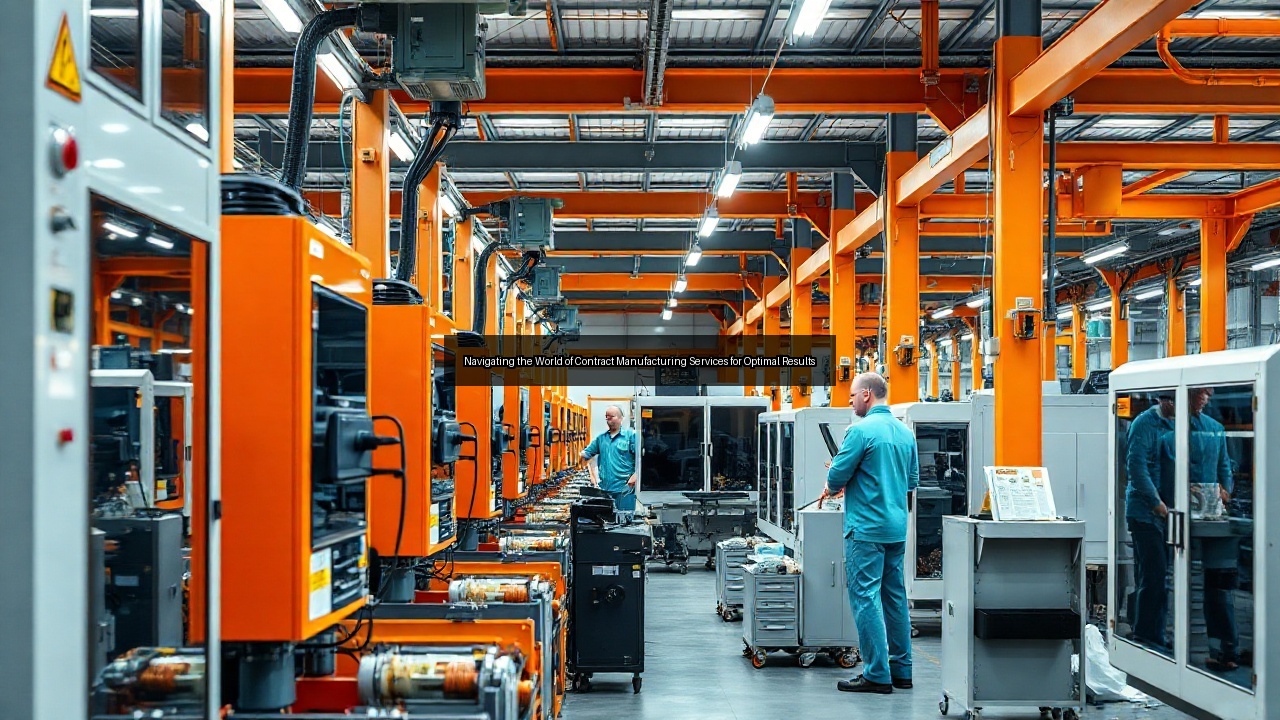
Understanding Contract Manufacturing Services
What are Contract Assembly Services?
Contract assembly services involve outsourcing the production and assembly of products to specialized manufacturers. These companies are equipped with the necessary expertise and resources to handle various manufacturing processes, from initial designs to final assembly. Firms often utilize these services to streamline operations, reduce costs, and enhance product quality. Contract assembly can encompass a wide range of activities, including intricate assembly tasks, packaging, and even logistics management. By leveraging the capabilities of a contract manufacturer, businesses can focus on their core competencies while ensuring that their products are assembled efficiently and effectively.
Key Benefits of Outsourcing to Contract Manufacturers
Outsourcing to contract manufacturers presents several advantages. First, it allows companies to tap into specialized expertise that may not be available in-house. This access to skilled professionals enhances the overall quality of the products and the efficiency of the production process. Second, contract assembly services can significantly reduce operational costs. By avoiding the need for extensive in-house facilities and staff, companies can allocate resources more effectively. Additionally, contract manufacturers often employ lean manufacturing techniques that optimize production workflows, leading to increased efficiency and faster turnaround times. Lastly, outsourcing provides scalability. As demand fluctuates, companies can easily increase or decrease production without the burden of maintaining fixed costs.
Differences Between In-House and Outsourced Manufacturing
In-house manufacturing and outsourced contract assembly services differ fundamentally in their approach to production. In-house manufacturing requires companies to maintain their own facilities, equipment, and workforce, which can lead to higher fixed costs and operational complexities. Conversely, outsourcing to a contract manufacturer allows companies to leverage external expertise and state-of-the-art technology without the associated overhead. While in-house manufacturing offers greater control over processes, outsourcing enables firms to focus on strategic initiatives rather than day-to-day production challenges. This distinction highlights the importance of aligning manufacturing strategies with business goals to achieve optimal results, whether through in-house efforts or by collaborating with a contract assembly company.
Choosing the Right Contract Assembly Company
Evaluating Expertise and Experience of Manufacturers
When selecting a contract assembly provider, evaluating their expertise and experience is paramount. Companies should seek manufacturers with a proven track record in contract assembly services, particularly within their industry. An experienced manufacturer will understand the nuances of specific production requirements, from materials to assembly techniques. It’s wise to review case studies, client testimonials, and industry certifications to gauge a provider's credibility. Additionally, consider the manufacturer's capability to handle complex designs and engineering challenges. This expertise not only ensures quality control but also fosters innovation in product development, making the selection process critical for long-term success.
Factors Influencing Cost and Quality in Contract Assembly
Cost and quality are intertwined aspects that significantly influence the choice of a contract assembly company. Several factors affect costs, including material prices, labor rates, and the complexity of the assembly process. Companies must assess whether lower provide contract assembly services costs compromise quality. High-quality contract manufacturers invest in advanced equipment and training, which can lead to better outcomes. Additionally, economies of scale play a role; larger production runs often reduce per-unit costs. It’s essential to balance cost considerations with quality expectations. Establishing clear communication regarding quality standards and performance metrics during the onboarding process helps ensure that both parties align on expectations, ultimately leading to successful contract assembly services.
Importance of ISO 9001 Certification in Quality Control
ISO 9001 certification serves as a critical benchmark for quality control in contract assembly services. This internationally recognized standard indicates that a company adheres to rigorous quality management practices, ensuring consistency in product quality. When evaluating potential contract manufacturers, look for those with ISO 9001 certification, as it reflects their commitment to maintaining high standards throughout the manufacturing process. Certified companies implement systematic quality control measures, including regular audits and continuous improvement initiatives. This certification not only enhances customer confidence but also minimizes the risks associated with outsourcing. Choosing a certified contract assembly provider can significantly contribute to the overall quality and reliability of the finished product.
Optimizing Efficiency in Contract Assembly
Lean Manufacturing Techniques in Contract Assembly
Implementing lean manufacturing techniques in contract assembly can significantly enhance efficiency and reduce waste. Lean principles focus on streamlining processes, minimizing unnecessary steps, and optimizing resource utilization. Contract manufacturers often employ techniques such as just-in-time production, which aligns inventory levels with actual demand, reducing excess stock and costs. Additionally, value stream mapping helps identify areas for improvement throughout the assembly process. By adopting these methodologies, contract assembly companies can deliver higher quality products faster, ultimately benefiting their clients. Companies seeking to improve efficiency should inquire about their contract manufacturers' use of lean strategies and how these can be tailored to meet specific production needs.
The Role of Engineering in Effective Prototyping
Engineering plays a vital role in effective prototyping within contract assembly. An expert engineering team can translate product designs into functional prototypes, facilitating thorough testing and evaluation before full-scale production. This collaborative approach allows businesses to identify potential issues early in the manufacturing process, saving time and resources in the long run. Contract manufacturers that prioritize engineering capabilities can offer valuable insights during the prototyping phase, enhancing product designs and assembly techniques. By engaging in this proactive dialogue, companies ensure that their final products meet quality standards while adhering to budget constraints, fostering a successful partnership with their contract assembly provider.
Scalability and Logistics in Manufacturing Operations
Scalability and logistics are crucial components of effective contract assembly services. As businesses grow or face fluctuating demand, they need a contract manufacturer capable of scaling production accordingly. This flexibility allows companies to respond quickly to market changes without incurring significant additional costs. Moreover, efficient logistics management ensures timely delivery of materials and finished products. Contract manufacturers often have established supply chains and partnerships that enhance their logistical capabilities. By assessing a potential partner's approach to scalability and logistics, companies can optimize their manufacturing operations and maintain a competitive edge in the marketplace.
The Future of Contract Assembly Services
Innovative Technologies in Contract Manufacturing
The future of contract assembly services lies in the integration of innovative technologies. Advancements such as automation, artificial intelligence, and the Internet of Things (IoT) are transforming manufacturing processes. Automated systems streamline repetitive tasks, reducing labor costs and increasing precision. AI-driven analytics provide valuable insights into production efficiency, enabling companies to make data-informed decisions. IoT devices facilitate real-time monitoring of equipment and supply chains, enhancing responsiveness to potential disruptions. Contract manufacturers that embrace these technologies can offer superior services, positioning themselves as leaders in the industry. Companies should seek partners who invest in technological advancements to ensure they remain competitive and agile in their operations.
Trends in Packaging and Fabrication
Emerging trends in packaging and fabrication shape the landscape of contract assembly services. Sustainable packaging solutions have gained traction, with consumers increasingly demanding eco-friendly options. Contract manufacturers that prioritize sustainable practices can enhance brand reputation and meet consumer preferences. Additionally, advancements in fabrication techniques, such as 3D printing, enable rapid prototyping and customization of components. These trends reflect a broader shift toward efficiency and sustainability in manufacturing. Companies should consider how their contract assembly providers incorporate these trends into their operations, as it can significantly impact product appeal and marketability.
Ensuring Quality and Efficiency in a Competitive Market
Ensuring quality and efficiency in a competitive market requires a strategic approach to contract assembly services. Companies must prioritize collaboration with their contract manufacturers, establishing clear communication channels and performance metrics. Regular assessments and feedback loops foster continuous improvement, ensuring that both parties remain aligned on quality and efficiency goals. By investing in training and development, contract manufacturers can enhance their workforce's skills, leading to better outcomes. Ultimately, a commitment to quality control and operational excellence will distinguish successful companies in the dynamic landscape of contract assembly. As businesses continue to navigate this evolving market, maintaining high standards will be essential for long-term success.