Sustainability Practices in Skid Fabrication and Manufacturing
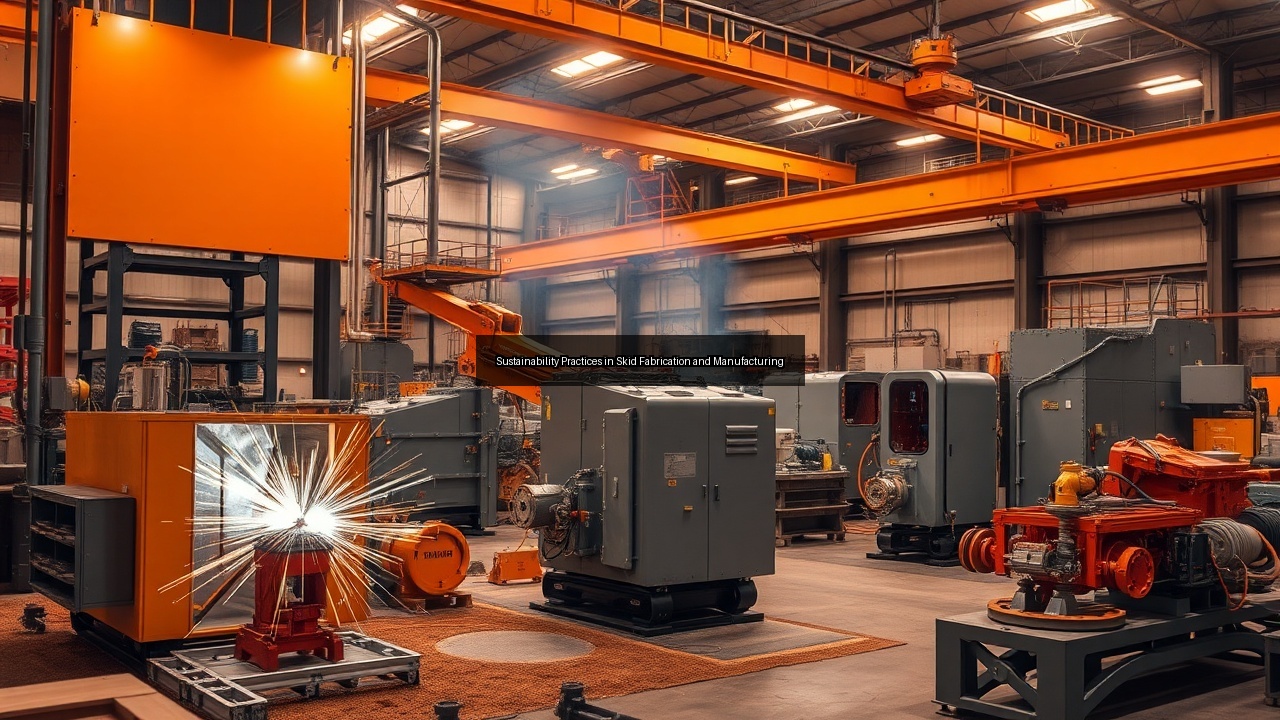
Overview of Skid Fabrication in the Industry
Importance of Sustainability in Skid Manufacturing
Sustainability stands at the forefront of modern skid fabrication, especially within industries like oil skid fabrication shop and gas. Skid manufacturers increasingly recognize that eco-friendly practices not only benefit the environment but also enhance operational efficiency and cost-effectiveness. By implementing sustainable methods, companies can minimize waste, reduce energy consumption, and lower greenhouse gas emissions during the fabrication process. Furthermore, sustainable practices in skid design and manufacturing lead to longer-lasting products, which ultimately reduces the need for frequent replacements or repairs. This commitment to sustainability resonates with stakeholders and clients, aligning with their values and enhancing corporate reputation.
Key Players in Skid Fabrication Services
The skid fabrication landscape features a diverse array of companies specializing in various aspects of the process. Key players include established skid fabrication companies that provide comprehensive services, from design and engineering to manufacturing and installation. These companies often leverage advanced technologies and skilled craftsmen to create modular process skids tailored to specific client needs. Other notable contributors include material suppliers, welding specialists, and quality assurance experts who play crucial roles in ensuring the integrity and performance of the final product. Collaboration among these key players fosters innovation and adherence to sustainability practices throughout the skid fabrication process.
Sustainable Practices in Skid Design and Fabrication
Eco-Friendly Materials in Modular Skids
Choosing eco-friendly materials significantly impacts the sustainability of skid fabrication. Manufacturers increasingly opt for recycled and recyclable materials, such as aluminum alloys and high-strength steels, which not only reduce the carbon footprint but also enhance durability. The use of such materials in modular skids promotes a circular economy, where resources are reused rather than discarded. Additionally, selecting low-emission coatings and finishes minimizes harmful releases into the environment during the manufacturing process. By prioritizing eco-friendly materials, skid fabricators create modular process systems that align with environmental regulations and meet the growing demand for sustainable solutions in industries like construction and oil and gas.
Innovative Welding Techniques for Sustainability
Welding techniques play a vital role in the fabrication process and can also influence sustainability. Advanced methods such as laser welding and friction stir welding offer precise control, reducing material waste and energy consumption. These innovative techniques provide strong, durable joins with minimal thermal distortion, enhancing the overall quality of the modular skids. Furthermore, the adoption of robotic welding technology increases efficiency and consistency, allowing for quicker production cycles while maintaining high-quality standards. By integrating these technologies, skid fabricators can significantly lower their environmental impact while improving the performance of their products.
Quality Management and Assurance in Fabrication Processes
Quality management is essential in skid fabrication to ensure that products meet stringent safety and performance standards. Implementing robust quality assurance processes mitigates risks associated with manufacturing defects, which can lead to costly downtime and safety hazards. Skid fabrication companies often utilize advanced inspection technologies, such as non-destructive testing and digital monitoring systems, to uphold quality throughout the fabrication process. By maintaining rigorous quality control, manufacturers can enhance the longevity and reliability of modular skids. This focus on quality aligns with sustainable practices, as it reduces waste and enhances the lifecycle value of the final product.
Technological Advancements in Modular Process Skids
Emerging Technologies in Fabrication
The landscape of skid fabrication is modular skid fabrication rapidly evolving due to emerging technologies that streamline the production process. Techniques such as additive manufacturing (3D printing) are making waves, allowing for the rapid prototyping of components and reducing material waste. Additionally, computer-aided design (CAD) software enables precise modeling and simulation of modular skid systems, facilitating better planning and reducing errors during fabrication. These advancements not only enhance efficiency but also contribute to sustainability by minimizing waste and optimizing resource usage in the manufacturing process.
Integrating Safety Standards in Skid Manufacturing
Safety remains a paramount concern in skid fabrication, particularly in industries with high-risk environments like oil and gas. Manufacturers must adhere to strict safety standards and regulations to mitigate risks associated with the operation of modular process systems. Implementing thorough training programs and utilizing safety-oriented design practices help ensure that the end products meet or exceed safety requirements. By prioritizing safety within the fabrication process, companies not only protect their workforce and clients but also reinforce their commitment to responsible manufacturing practices that align with sustainability goals.
Cost-Effective Solutions for Sustainable Skid Design
Cost-effectiveness drives many decisions in skid fabrication, and sustainable practices can align with financial goals. Investing in energy-efficient machinery and processes reduces operational costs in the long run. Moreover, leveraging predictive maintenance technologies can preempt costly repairs and extend the lifespan of equipment used in fabrication. By optimizing the design of modular skids for energy efficiency, manufacturers can decrease operational expenses while also appealing to environmentally-conscious clients. Cost-effective solutions in sustainable skid design not only enhance the bottom line but also contribute to a greener, more responsible manufacturing landscape.
Future Trends in Skid Fabrication and Sustainability
The Role of Custom Skid Fabrication in the Oil and Gas Industry
Custom skid fabrication has become increasingly important in the oil and gas industry, where unique challenges demand tailored solutions. Companies require modular process skids that can efficiently transport and process various materials under diverse conditions. Customization allows manufacturers to incorporate sustainable practices specifically suited to individual projects, ensuring compliance with environmental regulations. This trend towards bespoke solutions enhances operational efficiency and aligns with the industry's push for greater sustainability in their processes, making custom skid fabrication a critical component of future developments.
Risk Management in Sustainable Fabrication Practices
Effective risk management strategies are essential in maintaining sustainability within skid fabrication. Companies must identify potential risks associated with material sourcing, manufacturing processes, and regulatory compliance. By developing comprehensive risk management frameworks, manufacturers can mitigate the chances of non-compliance with environmental standards and avoid costly penalties. This proactive approach fosters a culture of sustainability, ensuring that all stakeholders are aligned with the company’s environmental goals. Risk management not only protects the company’s reputation but also supports long-term sustainability efforts by promoting responsible practices.
Licensing and Compliance for Sustainable Manufacturing
Licensing and compliance play a pivotal role in sustainable skid fabrication. Manufacturers must navigate a complex landscape of regulations governing environmental impact, safety standards, and quality assurance. Staying abreast of changes in legislation is crucial for ensuring compliance and avoiding legal repercussions. Many companies invest in training and resources to keep their teams informed about industry standards and sustainability practices. By fostering a culture of compliance, skid fabrication companies can enhance their operational integrity and contribute positively to environmental sustainability.
See Also
- The Role of Alloy Selection in Skid Fabrication Quality
- Essential Tools and Equipment for Skid Fabrication Shops
- Cost-Effective Strategies for Skid Fabrication and Design
- The Future of Skid Fabrication Innovations Shaping the Construction Landscape
- Streamlining the Fabrication Process for Modular Skids