The Impact of Cold Rolled Steel on Industrial Applications
Understanding Cold Rolled Steel
What is Cold Rolled Steel?
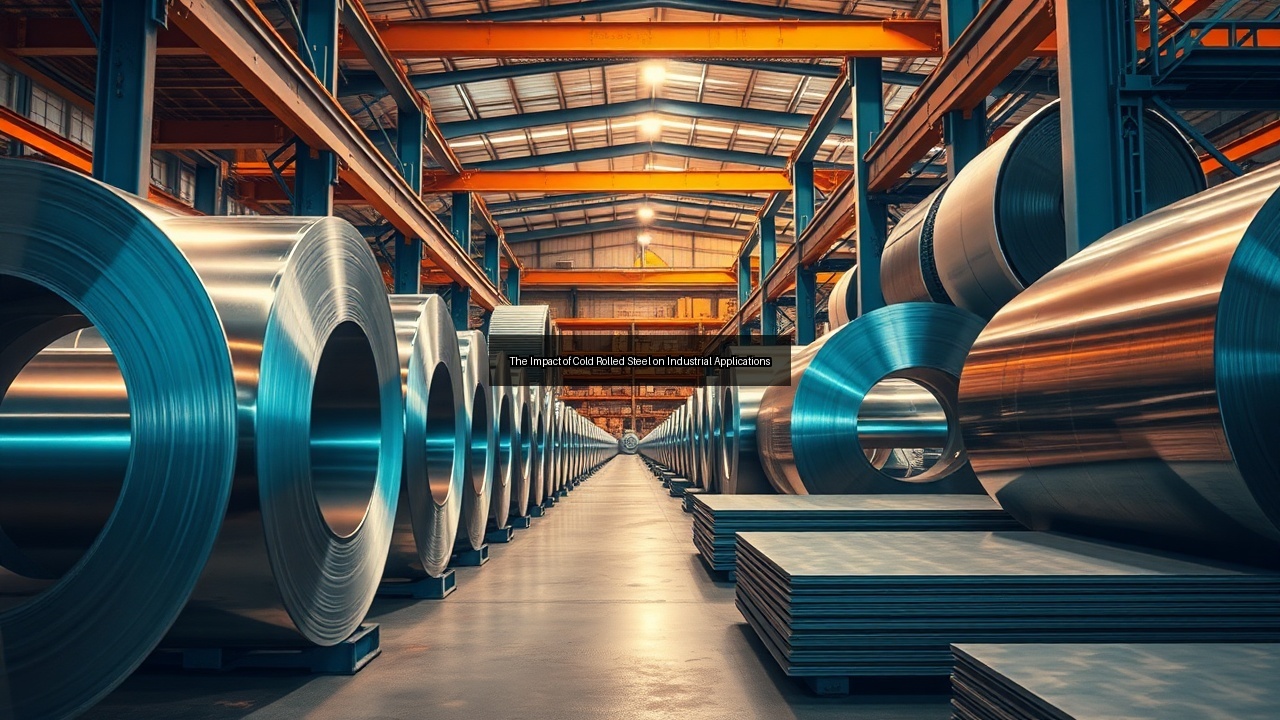
Cold rolled steel undergoes a process of rolling at room temperature, which enhances its strength and surface finish. Unlike hot rolled steel, which is processed at high temperatures, cold rolled steel is shaped and refined while it's cool, resulting in improved dimensional accuracy and a superior surface quality. This steel type is available in various forms, including sheets, bars, and coils, making it versatile for numerous industrial applications. Cold rolled steel is widely sought after in manufacturing and construction due to its ability to be produced in thinner gauges while maintaining strength, making it a preferred choice for precision components.
Key Properties and Benefits of Cold Rolled Steel
Cold rolled steel boasts several key properties that make it suitable for industrial applications. Its superior strength-to-weight ratio allows for the creation of robust structures without excessive weight. The cold rolling process enhances the steel's hardness, making it more resistant to deformation under stress. Additionally, cold rolled steel features a smooth surface finish, ideal for applications requiring aesthetic appeal or advanced coatings. The material's ability to be easily machined and fabricated into complex shapes further adds to its advantages. Overall, cold rolled steel provides a reliable balance of strength, durability, and versatility.
Comparison with Other Steel Types: Carbon Steel and Stainless Steel
When comparing cold rolled steel to carbon steel and stainless steel, distinct differences emerge. Carbon steel, primarily composed of iron and carbon, is known for its high strength but lacks the corrosion resistance found in stainless steel, which includes chromium for added protection. Cold rolled steel, often a type of carbon steel, offers finer surface finishes and higher tensile strength due to its manufacturing process. On the other hand, stainless steel excels in environments prone to corrosion but may be costlier and less ductile than cold rolled options. This makes cold rolled steel an attractive choice for applications requiring a balance of strength, cost-effectiveness, and surface quality.
Applications of Cold Rolled Steel Across Industries
Usage in Oil and Gas Industry
Cold rolled steel plays a vital role in the oil and gas industry, where strength and durability are paramount. This steel type is commonly used for manufacturing pipelines, structural components, and storage tanks. The corrosion resistance of cold rolled steel, particularly when galvanized, enhances its longevity in harsh environments associated with oil extraction and transportation. The precise dimensions achievable through cold rolling contribute significantly to the efficiency and safety of oil and gas operations. For companies engaged in energy production, utilizing cold rolled steel in construction and equipment ensures reliability and adherence to stringent industry standards.
Role in Automotive Manufacturing
In the automotive sector, cold rolled steel serves as a critical material for numerous components. Manufacturers employ cold rolled sheets for body panels, chassis, and structural reinforcements due to their high strength and lightweight properties. The automotive industry demands materials that can withstand rigorous conditions while ensuring safety and performance. Cold rolled steel meets these requirements, offering excellent weldability and formability, which are essential for mass production. Additionally, the smooth surface finish of cold rolled steel facilitates the application of paints and coatings, enhancing the vehicle's aesthetic appeal and corrosion resistance.
Significance in Aerospace Engineering
Aerospace engineering relies heavily on materials that combine strength and weight efficiency. Cold rolled steel finds applications in various aerospace components, including brackets, fittings, and structural parts. The high precision of cold rolled steel makes it suitable for the stringent specifications required in aviation manufacturing. Engineers favor this material for its ability to endure high stress while maintaining structural integrity at reduced weights. Furthermore, the potential for customization through fabrication techniques allows aerospace manufacturers to create unique parts tailored to specific aircraft designs, enhancing performance and safety in air travel.
Applications in Construction Projects
Cold rolled steel plays a significant role in construction projects, where structural integrity and aesthetic appeal are crucial. Builders use cold rolled steel in framing, roofing, and cladding applications, benefiting from its strength and adaptability. The material’s ability to be produced in various gauges and forms, such as steel coils and sheets, allows for flexible design options. In addition, cold rolled steel products can be easily integrated with other materials, such as concrete and glass, creating modern architectural designs. The durability of cold rolled steel ensures that structures can withstand environmental stresses, making it a preferred choice among construction companies.
The Role of Steel Distribution Companies
How Steel Distributors Operate
Steel distribution companies play a critical role in supplying cold rolled steel and other metals to various industries. These distributors source their materials from manufacturers and manage the logistics of storage and delivery. They maintain a diverse inventory, including different grades of cold rolled steel, stainless steel, and alloy steel, to meet the specific needs of their clients. Distributors often offer value-added services, such as cutting, shearing, and custom fabrication, allowing customers to receive materials that fit their exact specifications. This streamlined process simplifies procurement for manufacturers and construction companies, enabling them to focus on their core operations.
Factors to Consider When Choosing a Steel Distributor
Selecting the right steel distributor can significantly impact project efficiency and material quality. Companies should consider factors such as the distributor's reputation, delivery timelines, and the range of products offered. A knowledgeable distributor with expertise in cold rolled steel and other types can provide valuable insights and recommendations. Additionally, evaluating the distributor's customer service and support is essential, as prompt communication can help resolve any issues during procurement. Transparency regarding pricing and terms of service also plays a crucial role in establishing a reliable partnership between manufacturers and their steel suppliers.
The Importance of Quality Steel Supplies
Quality steel supplies directly influence the success of industrial applications, making it essential for companies to prioritize high-grade materials. Subpar steel can compromise structural integrity, lead to costly failures, and endanger safety. Cold rolled steel, when sourced from reputable distributors, ensures that companies receive reliable materials that meet industry standards. Establishing long-term relationships with steel distribution companies known for their commitment to quality helps manufacturers and construction firms maintain consistency in their projects. By investing in top-quality steel supplies, businesses can enhance their operational efficiency and overall product reliability.
Innovative Techniques in Steel Processing
Waterjet Cutting and Its Advantages
Waterjet cutting has emerged as a revolutionary technique in steel processing, particularly for cold rolled steel. This method utilizes high-pressure water mixed with abrasive particles to cut through steel with exceptional precision. The advantages of waterjet cutting include minimal thermal distortion, which preserves the material's integrity and properties. This technique accommodates complex shapes and intricate designs that traditional cutting methods may find challenging. Additionally, waterjet cutting generates minimal waste, making it an environmentally friendly option for fabricators and manufacturers. As industries continue to embrace innovative processing techniques, waterjet cutting stands out as a reliable choice for custom steel solutions.
The Role of Fabricators in Custom Steel Solutions
Fabricators play a pivotal role in transforming cold rolled steel into custom solutions that meet specific project requirements. These skilled professionals utilize various techniques, including welding, machining, and assembly, to create components tailored to their clients' needs. The ability to work with cold rolled steel’s versatility allows fabricators to produce everything from simple brackets to complex assemblies. Collaborating closely with engineers and designers, fabricators ensure that their creations align with the intended functionality and aesthetics. In industries such as automotive and aerospace, where precision is paramount, fabricators contribute significantly to the success of innovative projects.
Understanding Steel Coil and Sheet Production
The production of steel coils and sheets involves a systematic process that begins with steel billets or slabs. These raw materials undergo hot rolling to create thin sheets, which are then cold rolled to achieve the desired thickness and properties. The process influences the final characteristics of the steel, such as strength, surface finish, and formability. Steel coils are particularly advantageous due to their ease of handling and transportation, making them a popular choice for various applications, including construction and automotive manufacturing. Understanding the production techniques of cold rolled steel enables manufacturers to select the right materials for their specific industrial needs.
See Also
- The Importance of Quality Control in Steel Supply Chains
- The Benefits of Partnering with a Local Steel Distributor
- Navigating the Steel Distribution Landscape in the Oil and Gas Industry
- How Alloy Steel is Transforming Automotive Manufacturing
- Understanding the Role of Bar Stock in Steel Distribution