The Intersection of Agriculture and Hydraulic Component Precision Machining
Understanding Hydraulic Component Machining in Agriculture
Importance of Hydraulic Systems in Agricultural Equipment
Hydraulic systems play a crucial role in agricultural equipment, powering various machines and tools that enhance productivity on the farm. These systems utilize fluid dynamics to generate force and motion, allowing for efficient operation of machinery such as tractors, combines, and planters. Farmers rely on hydraulic systems for tasks like lifting, steering, and controlling attachments, making them indispensable for modern agriculture. The components machining efficiency of these systems directly impacts the overall performance of agricultural equipment, reducing waste and improving operational effectiveness. By ensuring that hydraulic components function flawlessly, manufacturers help farmers maximize yield and efficiency, driving the growth of the agricultural sector.
Common Hydraulic Components Used in Agriculture
Several hydraulic components are commonly found in agricultural machinery. Key among them are hydraulic pumps, cylinders, and valves that control fluid flow and pressure. Hydraulic pumps convert mechanical energy into hydraulic energy, providing the necessary power for various agricultural operations. Cylinders act as actuators, converting hydraulic energy back into mechanical energy to perform tasks like lifting or pushing. Valves regulate the flow of hydraulic fluid, ensuring that the right amount of pressure is applied to the right components at the right time. Other essential components include spools and pistons, which are vital for maintaining control and efficiency in hydraulic systems. Understanding these components is crucial for ensuring the optimal performance of hydraulic systems in agriculture.
Role of Precision Machining in Enhancing Performance
Precision machining significantly enhances the performance of hydraulic components used in agriculture. By utilizing advanced machining techniques, manufacturers can achieve tight tolerances and intricate designs that improve the operational efficiency of hydraulic systems. Precision-machined components ensure that parts fit together seamlessly, reducing wear and increasing the lifespan of machinery. Techniques such as CNC machining allow for high-volume production of components with consistent quality and precision. Furthermore, the choice of materials, such as tool steels and corrosion-resistant metals, plays a vital role in enhancing durability and efficiency. As agricultural technology continues to evolve, precision machining will remain key to developing reliable hydraulic components that meet the demands of modern farming.
Key Technologies in Hydraulic Component Precision Machining
CNC Machining: Advancements and Applications
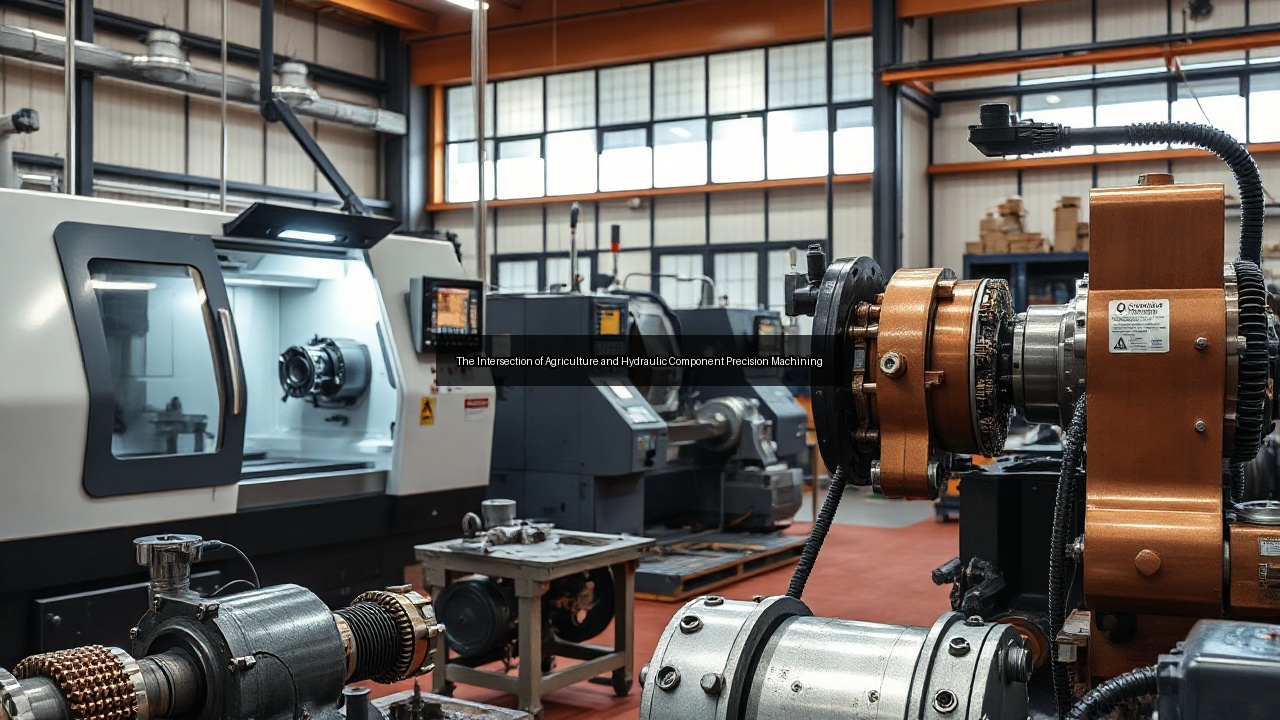
CNC machining has revolutionized the manufacturing of hydraulic components. This technology employs computer-controlled machines to create parts with exceptional precision and repeatability. CNC lathes and milling machines allow manufacturers to produce complex geometries that traditional machining methods cannot achieve. The adaptability of CNC machining makes it suitable for both small and large production runs, catering to the diverse needs of agricultural equipment manufacturers. Moreover, advancements in CNC technology, such as multi-axis machining and automation, have significantly reduced production time and labor costs. This efficiency translates into cost savings for manufacturers and, ultimately, for farmers who rely on hydraulic systems for their operations.
Swiss Machining: A Game Changer in Component Manufacturing
Swiss machining stands out as a cutting-edge method for fabricating hydraulic components, particularly those requiring tight tolerances and intricate details. This technique allows for the continuous feeding of raw material into the machine, resulting in high precision and minimal waste. Swiss-style lathes excel in producing small-diameter components, making them ideal for parts like valves and spools used in hydraulic systems. The efficiency of Swiss machining not only enhances the quality of the components but also accelerates production timelines. As the agricultural sector demands more sophisticated and reliable hydraulic components, manufacturers increasingly turn to Swiss machining to meet these challenges while maintaining quality assurance.
Utilizing Tool Steels for Durability and Efficiency
The selection of materials in hydraulic component machining directly influences the durability and efficiency of agricultural machinery. Tool steels are favored for their exceptional hardness and wear resistance, making them ideal for components that experience high stress and friction. These materials enhance the performance of hydraulic systems by reducing the likelihood of component failure and extending service life. Additionally, the machinability of tool steels allows manufacturers to achieve the tight tolerances necessary for effective hydraulic operation. By investing in high-quality materials and employing advanced machining techniques, manufacturers can ensure that their hydraulic components meet the rigorous demands of agriculture while maintaining efficiency and reliability.
Quality Assurance and Standards in Hydraulic Component Manufacturing
ISO 9001 and Its Impact on Manufacturing Processes
ISO 9001 serves as a benchmark for quality management systems in manufacturing, including hydraulic component machining. This international standard emphasizes consistent quality, customer satisfaction, and continuous improvement. Manufacturers that adhere to ISO 9001 principles benefit from streamlined processes, reduced waste, and enhanced product reliability. Implementing these standards ensures that hydraulic components meet the stringent requirements of agricultural applications, where performance and safety are paramount. Companies that prioritize ISO 9001 certification demonstrate their commitment to quality assurance, which ultimately fosters trust among customers and enhances their reputation in the marketplace.
Techniques for Ensuring Precision and Tolerances
Maintaining precision and tolerances in hydraulic component machining is vital for the functionality and reliability of agricultural equipment. Manufacturers employ various techniques to achieve this, including advanced measuring tools and quality control processes. Techniques such as coordinate measuring machines (CMM) and laser scanning provide accurate measurements, allowing manufacturers to identify and rectify deviations from specifications. Regular inspections during the production process further ensure that components meet the required tolerances. By implementing robust quality assurance practices, manufacturers can produce hydraulic components that perform consistently, thereby reducing the risk of equipment failure and enhancing overall agricultural productivity.
The Significance of Quality Assurance in Agricultural Applications
Quality assurance is crucial in the manufacturing of hydraulic components for agricultural applications. The reliability of hydraulic systems directly affects machinery performance, which in turn impacts farming efficiency and productivity. Quality assurance processes help identify potential defects early in the production cycle, reducing the likelihood of component failure during operation. Manufacturers that prioritize quality assurance not only enhance their reputation but also contribute to the sustainability of agricultural practices. By ensuring that hydraulic components meet high standards of quality, manufacturers play a vital role in supporting the agricultural sector's growth and resilience.
Future Trends in Hydraulic Component Machining for Agriculture
Automated Machining Centers and Their Benefits
Automated machining centers represent the future of hydraulic component manufacturing in agriculture. These systems integrate advanced robotics and CNC technology to enhance production efficiency and accuracy. Automation reduces human error and labor costs while increasing output rates, allowing manufacturers to meet the growing demand for hydraulic components. Moreover, automated systems can operate around the clock, further boosting productivity. As agricultural technology evolves, the adoption of automated machining centers will enable manufacturers to produce high-quality hydraulic components faster and more cost-effectively, ultimately benefiting the agricultural sector.
Innovations in Materials: From Plastics to Corrosion-Resistant Metals
Innovations in materials play a significant role in the future of hydraulic component machining. The introduction of advanced plastics and corrosion-resistant metals offers manufacturers new opportunities to enhance the performance and durability of hydraulic systems. Plastics, such as PTFE, provide excellent machinability and resistance to wear, making them suitable for components that require lightweight yet durable materials. On the other hand, corrosion-resistant metals minimize maintenance needs and extend the lifespan of hydraulic components, especially in challenging agricultural environments. As manufacturers continue to explore new materials, they will develop hydraulic components that are not only efficient but also sustainable.
Impact of Fluid Dynamics on Hydraulic Efficiency and Design
Fluid dynamics significantly influences the design and efficiency of hydraulic components. Understanding fluid behavior allows engineers to optimize component shapes and sizes, reducing turbulence and improving flow rates. Innovations in hydraulic design, driven by fluid dynamics principles, lead to more efficient systems that consume less energy and deliver better performance. Future advancements will focus on enhancing the interaction between hydraulic components and the fluids they utilize, thereby maximizing efficiency. By harnessing the power of fluid dynamics, manufacturers can continue to innovate and improve the reliability and effectiveness of hydraulic systems in agriculture.